Understanding the Essence of Modern Construction
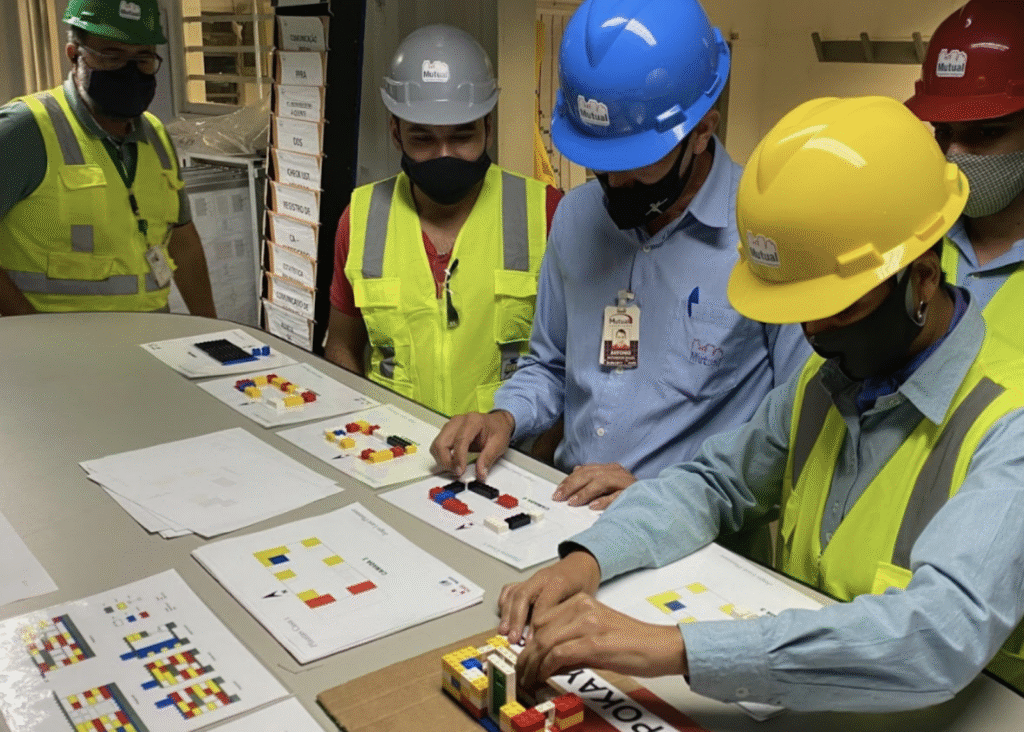
Modern construction has moved far beyond the traditional hammer-and-nail approach. It is an intricate blend of precision, technology, and innovation. Developers are constantly seeking ways to create more resilient structures while reducing waste and improving efficiency. This is where modern method hacks reshape the landscape, offering streamlined approaches that save time and cut costs. Understanding how these methods integrate with design planning can empower stakeholders to make smarter choices from the outset.

Core Elements of a Strong Construction Framework
Every successful build starts with a solid framework. Materials selection, structural integrity, and safety protocols are all non-negotiable. Yet, the path toward these goals often feels complex. By following a construction simple guide, homeowners and professionals can navigate each stage with greater clarity. This involves setting timelines, coordinating contractors, and implementing robust quality control measures. A strong framework does not just support the building; it supports every decision made during its creation.
Leveraging Technology for Smarter Builds
Technology is transforming construction from the ground up. Digital modeling, automated machinery, and advanced analytics have become vital in achieving accuracy and speed. When applied with thoughtful strategy, these tools can significantly reduce errors and labor costs. Pairing these advancements with building process tips helps optimize scheduling and resource allocation. Even small adjustments like digital project tracking can prevent costly delays and keep operations running smoothly.
Sustainability and Resource Efficiency
As environmental awareness grows, so does the push for sustainable building practices. Energy-efficient materials, modular designs, and recyclable components are gaining traction across the industry. Embracing efficient work ideas means more than cutting waste; it involves creating long-term value for the environment and the occupants. Builders are increasingly adopting green certifications to ensure their projects align with modern standards of responsibility and durability.
Collaboration Between Stakeholders
No construction project exists in isolation. Architects, engineers, contractors, and clients must communicate effectively to avoid disruptions. Misaligned expectations can cause delays and inflate budgets. Using modern method hacks such as integrated project delivery models encourages collaboration and reduces friction between parties. When everyone has a shared vision and access to the same data, decision-making becomes faster and more reliable.
Streamlining Project Timelines
Time is often the greatest pressure in construction. Delays can create a ripple effect that impacts budgets, labor availability, and overall success. A well-structured construction simple guide breaks down each milestone into clear, actionable steps. This includes setting realistic timelines, factoring in buffer periods for potential setbacks, and assigning dedicated oversight for each phase. The result is a project that progresses steadily without compromising quality.
Training and Skill Development
Modern methods require skilled hands and sharp minds. Workers must adapt to new tools, safety protocols, and technologies. Investing in training programs ensures that teams remain capable and confident. Sharing building process tips during workshops or mentorship sessions can raise the overall competency of the workforce. Skilled teams deliver cleaner finishes, safer environments, and more consistent results.
Cost Management with Modern Practices
Cost overruns are a notorious challenge in construction. However, implementing efficient work ideas can curb unnecessary spending. This includes prefabricated components that minimize labor needs, lean construction techniques that reduce material waste, and early budgeting sessions that anticipate risks. Transparent financial oversight keeps both small and large projects within their intended scope and budget.
Future-Proofing Construction Strategies
The construction industry is constantly evolving. Climate challenges, economic fluctuations, and technological breakthroughs continue to reshape the landscape. Staying adaptive is essential. Incorporating modern method hacks allows companies to stay competitive and resilient. Forward-thinking builders focus on flexible design elements, scalable systems, and adaptable materials that can withstand future demands.
Modern construction is a delicate balance between tradition and innovation. By following a structured construction simple guide, integrating building process tips, and applying efficient work ideas, projects can achieve exceptional outcomes. These methods simplify complexity, foster collaboration, and drive sustainable success in an ever-changing industry. When strategy meets skill, modern construction becomes not only manageable but remarkably rewarding.