
Navigating Limited Space and High Density
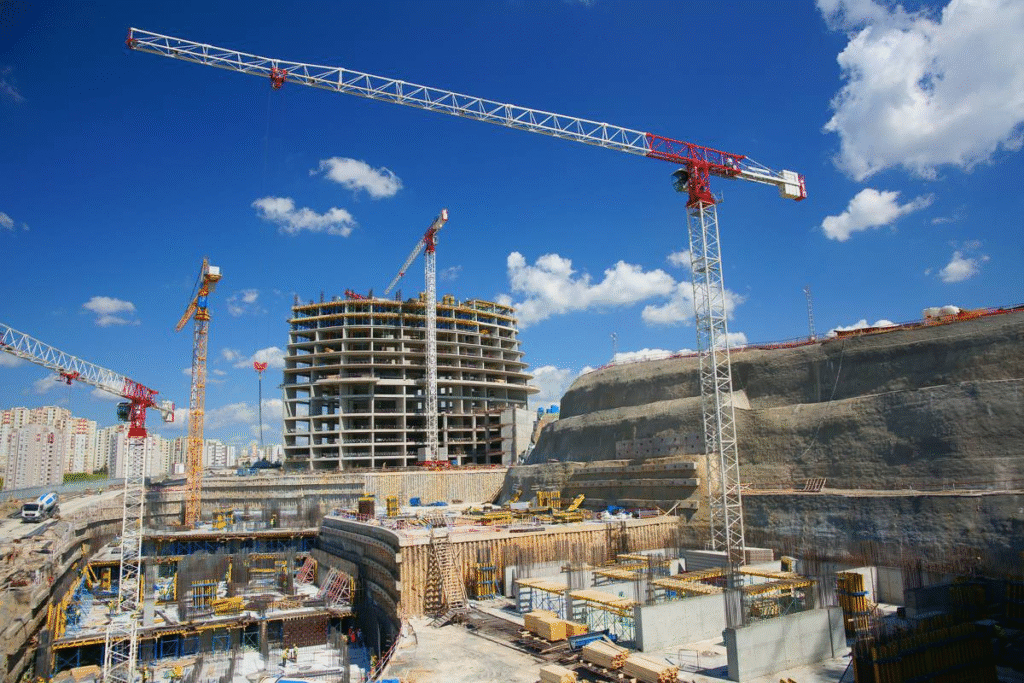
Building in major metropolitan areas presents intricate obstacles. Land scarcity forces developers to contend with narrow lots and vertical construction demands. These big city challenges often require unconventional engineering to maximize usable space. Architects must design compact yet functional structures while complying with stringent zoning codes. The dense fabric of urban landscapes intensifies logistical difficulties, as even small projects can disrupt traffic and daily life.
Managing Infrastructure Overload
Urban infrastructure strains under the weight of constant development. Power grids, water systems, and transportation networks often operate near capacity. Integrating new structures into this web creates significant urban build problems. Construction teams must coordinate with utility companies to prevent service interruptions while upgrading or relocating underground lines. This delicate balancing act demands precision planning, as one misstep can ripple across entire districts and trigger costly delays.
Handling Strict Regulatory Frameworks
Big cities impose dense layers of regulatory oversight to safeguard public safety and heritage. Securing approvals requires meticulous compliance with building codes, environmental regulations, and historic preservation mandates. Applying thorough construction planning tips ensures designs meet evolving legal expectations while minimizing revisions. Yet the permit process itself can be slow, often extending timelines and adding to carrying costs. Successfully navigating bureaucracy becomes as critical as the construction work itself.
Coping with Elevated Construction Costs
Urban projects typically incur higher expenses than suburban or rural developments. Land prices soar, skilled labor commands premium wages, and insurance rates spike due to the heightened risks of dense environments. These financial big city challenges demand inventive cost-control measures. Contractors may adopt prefabrication to reduce on-site labor or leverage digital modeling to cut rework. Even small efficiencies compound into substantial savings when margins are tight.
Coordinating Logistics in Congested Environments
Delivering materials to cramped city sites is a logistical puzzle. Limited staging areas and restricted delivery windows create persistent urban build problems. Traffic congestion further complicates scheduling, forcing contractors to choreograph deliveries with near-military precision. Using off-peak transport hours and modular components that assemble rapidly on-site are effective complex project hacks. These strategies compress timelines while reducing disruptions to surrounding neighborhoods.
Ensuring Worker Safety Amid Hazards
The proximity of pedestrians, vehicles, and neighboring structures raises safety risks on urban sites. Falling debris, noise hazards, and restricted movement spaces endanger both workers and the public. Embedding rigorous construction planning tips into safety protocols protects lives and shields companies from liability. This includes protective scaffolding, noise barriers, and real-time safety monitoring systems. Urban safety demands constant vigilance and adaptive responses to unpredictable conditions.
Addressing Environmental and Community Impacts
Construction in dense areas inevitably affects local communities. Dust, noise, and vibration can strain relationships with nearby residents and businesses. Incorporating complex project hacks like noise-reducing machinery, dust suppression systems, and transparent communication channels can reduce friction. Mitigation strategies must go beyond regulatory compliance to preserve goodwill. A cooperative approach ensures smoother project progress and stronger community trust.
Managing Workforce and Scheduling Pressures
Urban projects operate under relentless time constraints. Delays incur heavy financial penalties due to loan interest, lease commitments, and public expectations. Workforce coordination becomes a critical challenge when space limitations restrict crew sizes. Applying refined construction planning tips aligns labor schedules tightly with milestone goals. Advanced project management software enables real-time tracking, helping managers anticipate issues and adapt swiftly to maintain momentum.
Overcoming Technological Integration Barriers
Modern urban projects often involve smart systems, automated building controls, and complex mechanical networks. These innovations require seamless collaboration between multiple technical specialists. Miscommunication can lead to costly rework and integration failures. Leveraging complex project hacks like centralized digital models and cross-disciplinary coordination meetings can avert these pitfalls. Technology integration must be planned as thoroughly as structural construction to succeed in urban environments.
Shaping the Future of Urban Construction
The relentless pace of metropolitan development shows no signs of slowing. As cities expand vertically and densify further, big city challenges will only intensify. Addressing urban build problems with innovative strategies, proactive construction planning tips, and adaptive complex project hacks will define the success of future projects. Those who master these complexities will not only build taller and faster but also craft resilient spaces that thrive within the bustling heart of modern cities.