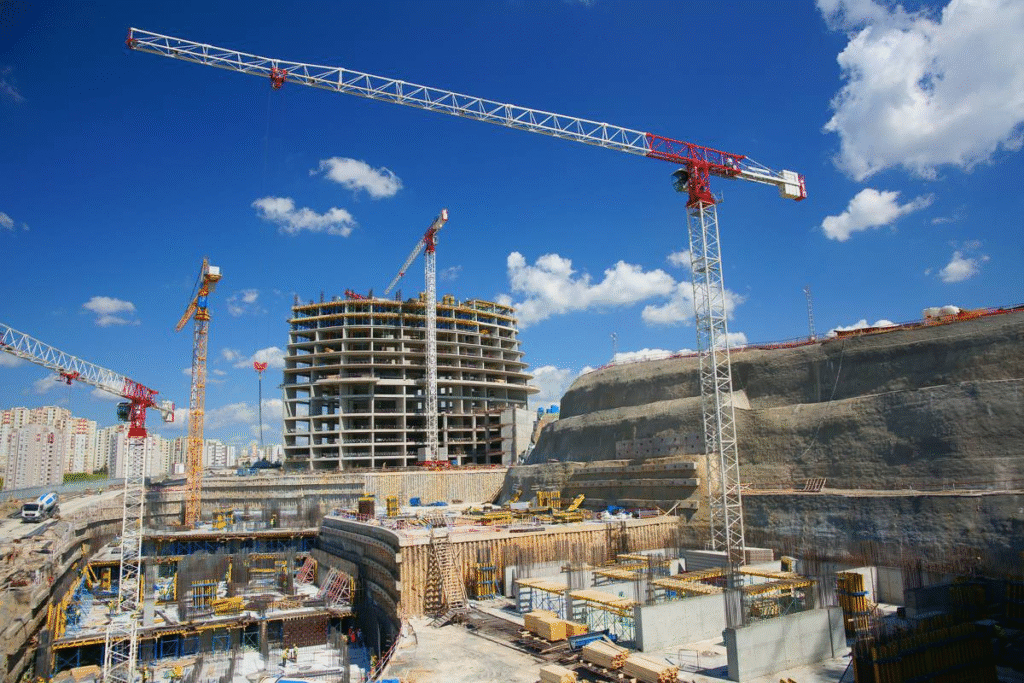
Embracing Digital Transformation
Technology has become a powerful catalyst in reshaping construction practices. Modern tools are accelerating timelines while minimizing errors. By adopting efficiency driving hacks, companies are integrating digital blueprints, cloud-based collaboration platforms, and automated scheduling software into daily operations. These tools reduce delays caused by miscommunication and keep every team member aligned. Digital transformation is no longer a luxury but a necessity for firms seeking to remain competitive in a demanding industry.

Leveraging Advanced Machinery
Heavy machinery has evolved beyond brute force. Today’s equipment is engineered for precision, safety, and speed. Smart cranes, autonomous bulldozers, and robotic bricklayers are dramatically reducing manual labor requirements. These innovations reflect the essence of construction innovation tips, as they combine cutting-edge mechanics with artificial intelligence to optimize performance. Automated equipment also minimizes fatigue-related errors, allowing projects to advance with remarkable accuracy and reduced downtime.
Streamlining Project Management
Efficient management is the backbone of successful construction endeavors. Integrating project management software with real-time data analytics enables supervisors to monitor progress from any location. These systems offer insights on material usage, labor productivity, and scheduling conflicts. Teams can apply faster project guide techniques such as critical path analysis and lean scheduling to eliminate bottlenecks. As a result, decision-making becomes faster, more informed, and strategically aligned with operational goals.
Implementing Prefabrication and Modular Construction
Prefabrication has revolutionized how construction projects unfold. Building components are now assembled in controlled factory environments, then transported to job sites for quick installation. This approach minimizes weather-related delays and improves quality control. Incorporating smart process ideas like just-in-time material delivery further accelerates assembly and reduces onsite clutter. Modular construction shortens project timelines significantly while maintaining consistent standards, reshaping expectations for efficiency in the industry.
Enhancing Energy Efficiency and Sustainability
Sustainability has become inseparable from efficiency. Green construction practices not only reduce environmental impact but also improve long-term cost-effectiveness. Energy-efficient materials, such as insulated concrete forms and reflective roofing systems, are increasingly standard. Companies deploying construction innovation tips related to sustainable sourcing and waste reduction are discovering they can achieve operational efficiency while meeting regulatory demands. This dual benefit supports both profitability and environmental stewardship.
Optimizing Workforce Training
A well-trained workforce is critical to maintaining rapid, safe construction progress. Modern training methods leverage virtual reality and simulation platforms to immerse workers in lifelike scenarios. These interactive programs accelerate learning while minimizing risk. Firms that apply efficiency driving hacks to their training strategies produce skilled teams capable of handling advanced machinery and complex projects. Faster learning cycles mean projects move forward without unnecessary delays caused by skill gaps or repeated errors.
Integrating Real-Time Monitoring Systems
Real-time monitoring has redefined how supervisors oversee active sites. Sensors, drones, and wearable devices now track worker movements, material locations, and environmental conditions continuously. By applying smart process ideas, managers can use this data to anticipate disruptions before they occur. Early detection of potential hazards, equipment failures, or supply shortages enables swift intervention. This proactive approach not only improves safety but also safeguards timelines and budgets.
Encouraging Collaborative Culture
Efficiency flourishes where collaboration thrives. Transparent communication between architects, engineers, and contractors is essential. Collaborative platforms foster synchronized planning and reduce misunderstandings that cause costly rework. Adopting faster project guide methods such as integrated project delivery encourages shared responsibility among all stakeholders. When everyone operates as a unified team, efficiency becomes an organic byproduct of collective effort and mutual accountability.
Embracing Continuous Improvement
The pursuit of efficiency requires constant refinement. Organizations that embrace a mindset of continuous improvement regularly analyze performance metrics and adjust workflows. Applying construction innovation tips gathered from past projects can reveal overlooked inefficiencies and spark new solutions. By maintaining this iterative approach, companies stay agile, adapt to emerging challenges, and consistently raise their operational standards.
Shaping the Future of Construction Efficiency
Innovation is no longer a distant concept; it is actively reshaping construction today. From efficiency driving hacks that enhance training to smart process ideas that streamline logistics, the industry is evolving at remarkable speed. Companies that seize these opportunities and adopt faster project guide principles will build faster, smarter, and more sustainably. As technology advances and collaboration deepens, the path toward construction efficiency grows clearer, ushering in an era defined by precision and productivity.