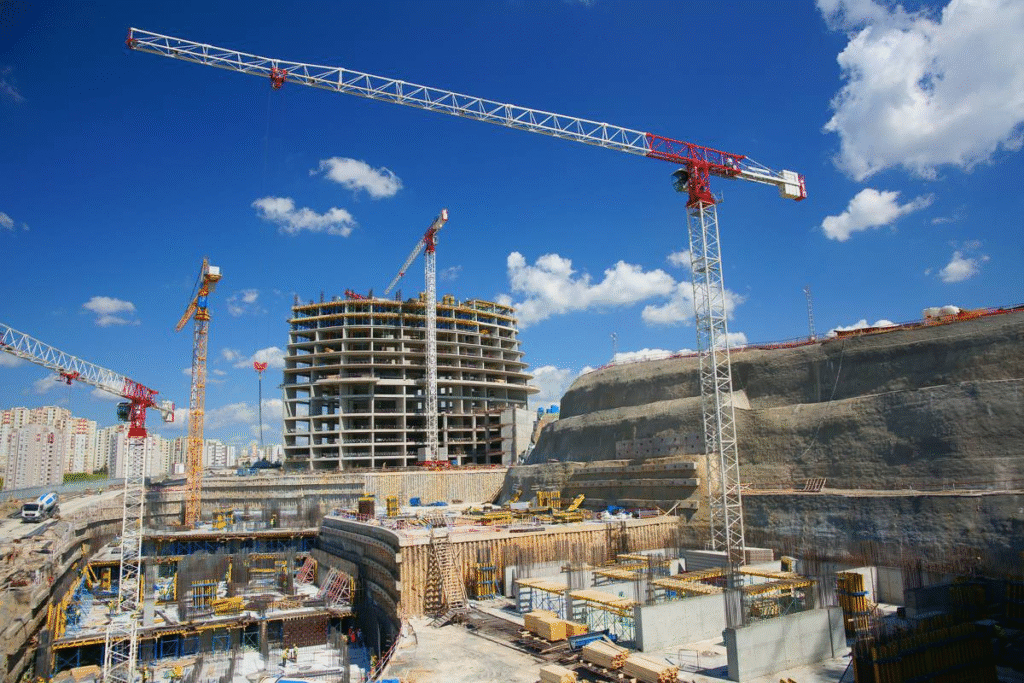
The construction industry has always been a realm of grit, precision, and craftsmanship. Yet today, it stands at the forefront of a digital revolution that is redefining how projects are imagined, planned, and delivered. Technology is no longer a mere accessory; it has become the backbone of efficiency, safety, and creativity in the modern building world.

The Digital Blueprint of Success
Gone are the days of relying solely on paper blueprints and hand-drawn sketches. Digital modeling has taken over, with Building Information Modeling (BIM) offering dynamic, 3D visualizations that synchronize design, engineering, and construction teams. This digital project guide allows all stakeholders to collaborate seamlessly, spot conflicts early, and save enormous amounts of time and money.
What once took weeks of adjustments on paper can now be resolved in minutes with a virtual walkthrough, making digital mapping one of the most transformative advances in construction.
Smarter Tools for Smarter Results
Technology has breathed new life into the tools builders rely on daily. Drones, laser scanners, and 3D printers are streamlining workflows and increasing accuracy.
Smart work tools like drones can map large construction sites in hours instead of days, providing real-time aerial data that enhances planning and safety. Meanwhile, 3D printing offers a revolutionary way to produce building components on-site, reducing transport costs and minimizing waste. These innovations not only speed up processes but also push the boundaries of design creativity.
Data-Driven Decision Making
In today’s fast-paced industry, data is king. Wearable devices, smart helmets, and on-site sensors collect valuable metrics, from worker safety statistics to machinery performance. This data is analyzed to improve efficiency, reduce risks, and optimize material usage.
By applying tech build tips, managers can forecast project timelines more accurately, predict potential bottlenecks, and even enhance worker productivity. In essence, data transforms guesswork into actionable insight, a crucial step toward flawless execution.
Enhancing Safety Standards
Construction has long been associated with workplace hazards, but technology is drastically improving safety outcomes. Augmented reality (AR) headsets now allow workers to visualize risks before stepping onto a site, while wearables monitor fatigue, stress levels, and exposure to hazardous conditions.
Through construction innovation hacks, teams can implement predictive analytics that identify risks before they escalate into accidents. Automated machinery further reduces human exposure to dangerous tasks, making job sites not just more efficient but also significantly safer.
Virtual and Augmented Reality Integration
VR and AR are no longer futuristic novelties; they are practical assets in modern construction. Virtual reality allows clients to explore a project before a single brick is laid, fostering better communication and ensuring design accuracy.
Augmented reality overlays instructions or visualizations directly onto physical spaces, helping workers align structures, place equipment, or check measurements in real time. With these digital project guide tools, misunderstandings are minimized, and projects progress with unparalleled clarity.
Cloud-Based Collaboration
Effective teamwork has always been a cornerstone of construction. Now, cloud-based platforms ensure that everyone—architects, engineers, contractors, and clients—remains on the same page regardless of location.
With cloud systems, blueprints, contracts, and progress updates are available at the touch of a button. Smart work tools such as mobile project apps enhance this collaboration, enabling instant updates from the field. This real-time connectivity reduces delays, prevents miscommunication, and keeps projects running smoothly.
Sustainable Construction Through Tech
Sustainability is more than just a buzzword; it’s an imperative. Technology is enabling eco-friendly practices, from advanced energy modeling software to smart sensors that regulate building energy use.
Construction innovation hacks include prefabrication methods that cut down on waste, AI algorithms that optimize material orders, and green tech integrations such as solar-ready designs. These advancements align modern construction with global sustainability goals while also reducing long-term costs.
Robotics and Automation
Robotics are gradually reshaping the labor dynamics of construction. Bricklaying robots, autonomous excavation equipment, and robotic arms reduce human workload while enhancing precision.
Applying tech build tips, companies deploy robots for repetitive, hazardous, or large-scale tasks, ensuring consistent quality and faster completion. Far from replacing human workers, robotics complement them by handling dangerous or monotonous duties, freeing professionals to focus on skilled tasks that require creativity and oversight.
The Rise of Artificial Intelligence
Artificial intelligence is quickly becoming a silent partner in construction projects. AI-driven software can forecast costs, optimize supply chains, and even design layouts that balance aesthetics with structural efficiency.
As part of a digital project guide, AI helps decision-makers anticipate issues, identify cost-saving opportunities, and reduce errors in real time. This intelligent assistance ensures smoother workflows and greater profitability for builders and clients alike.
Future-Ready Construction
The industry is heading toward an era where construction will be faster, greener, and smarter than ever before. Emerging technologies like digital twins, blockchain contracts, and advanced robotics promise to take efficiency and accuracy to unprecedented levels.
Keeping up with smart work tools and adopting construction innovation hacks is no longer optional; it’s essential for survival in a competitive market. Builders who embrace these transformations will not only thrive but also redefine the future of construction itself.
Technology is revolutionizing construction from the ground up. Through tech build tips, leveraging construction innovation hacks, adopting a digital project guide, and utilizing smart work tools, the industry is achieving higher safety, efficiency, and creativity.
What once seemed impossible—real-time collaboration, data-driven decision-making, or robotic building—has become everyday reality. Technology ensures that construction isn’t just about bricks and beams anymore. It’s about innovation, intelligence, and inspiration shaping the world we live in.