Rethinking the Foundation of Modern Projects
The construction industry is undergoing a transformation, merging ecological consciousness with ambitious infrastructure demands. This shift requires careful planning and innovative thinking to balance environmental responsibility and structural excellence. Leveraging sustainable build hacks allows architects and engineers to embed sustainability into the DNA of a project from its earliest stages. This approach reduces long-term operational costs while preserving natural resources.

Integrating Eco-Friendly Materials
Materials play a decisive role in shaping the environmental footprint of any construction project. Selecting renewable, recycled, or low-impact resources creates structures that are not only durable but also kind to the planet. Applying design eco tips helps project planners choose alternatives such as reclaimed wood, low-carbon concrete, and recycled steel. These materials minimize emissions during production and often offer superior performance over time, blending durability with sustainability.
Aligning Design with Energy Efficiency
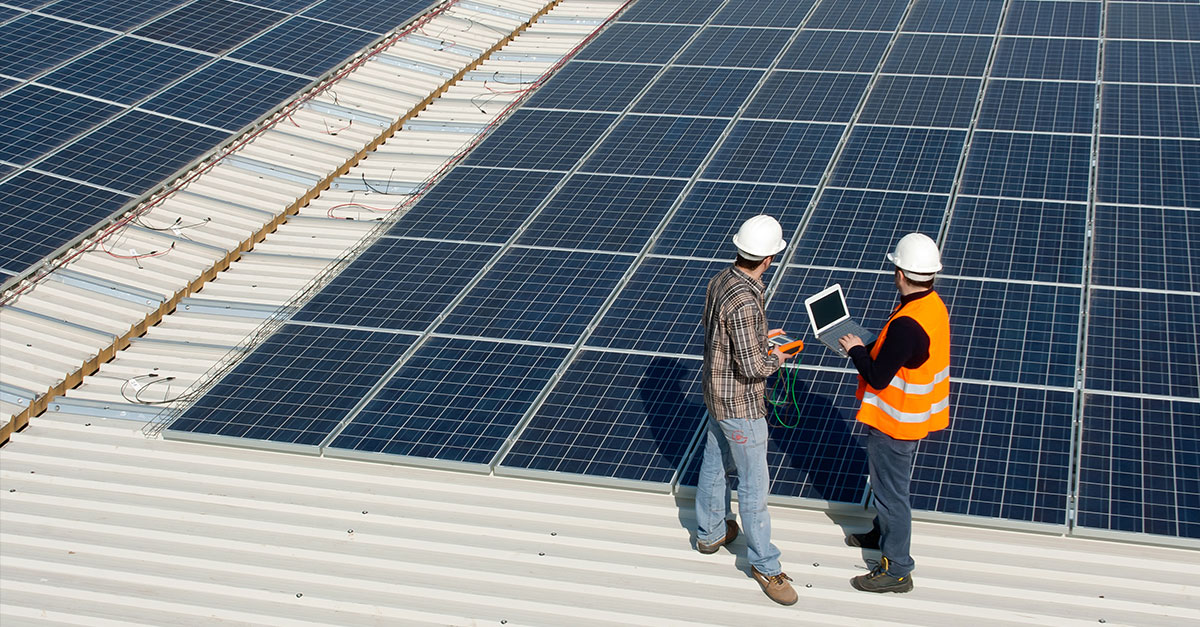
Energy consumption is one of the largest ongoing expenses in buildings, making efficiency a critical design priority. Orienting buildings for optimal sunlight, incorporating natural ventilation, and using thermal mass to regulate indoor temperatures can drastically reduce energy demand. Through green construction goals, teams can set clear targets for energy savings during the design phase. Integrating solar panels, high-performance insulation, and smart building systems transforms energy efficiency from an afterthought into a core design principle.
Harnessing Water Conservation Strategies
Water scarcity affects urban and rural developments alike, making conservation strategies essential. By employing environmental project guide principles, construction teams can incorporate rainwater harvesting, greywater recycling, and low-flow plumbing systems. These systems not only conserve water but also reduce utility costs, offering long-term operational savings. Designing landscapes with native, drought-resistant plants further reduces irrigation demands, aligning site planning with sustainability.
Minimizing Construction Waste
Construction projects generate massive amounts of waste that often end up in landfills. This can be mitigated by rethinking how materials are sourced, handled, and disposed of. Using sustainable build hacks, teams can establish waste segregation zones on-site, plan material orders accurately to avoid overstock, and repurpose leftover materials in other projects. Such practices promote a circular economy mindset, reducing environmental impact while cutting costs.
Prioritizing Indoor Environmental Quality
Healthy indoor environments are as important as structural strength. Natural light, clean air, and non-toxic finishes contribute to occupant well-being and productivity. By applying design eco tips, designers can choose low-VOC paints, formaldehyde-free wood products, and advanced air filtration systems. These decisions ensure buildings are not only sustainable but also safe and comfortable for long-term use, fostering environments that support human health.
Leveraging Smart Technology
Technology is amplifying sustainability efforts in construction. Building information modeling (BIM) and energy modeling software allow teams to predict performance, identify inefficiencies, and refine designs before breaking ground. Pursuing green construction goals through smart technology streamlines workflows, prevents costly errors, and ensures resources are used responsibly. Real-time monitoring systems also help track energy and water consumption after completion, encouraging continuous improvement.
Balancing Aesthetics and Function
Sustainability does not mean sacrificing beauty. In fact, sustainable architecture often showcases innovative design that harmonizes with its surroundings. Applying environmental project guide methods encourages designers to consider how structures interact with local ecosystems, cultural contexts, and community needs. Aesthetic elegance can coexist with resource efficiency, proving that responsible construction can also be visually inspiring.
Engaging Stakeholders Early
Sustainable outcomes require collaboration from the entire project ecosystem, from clients to contractors to local authorities. Early engagement aligns expectations, budgets, and schedules around shared sustainability targets. Using sustainable build hacks at this stage fosters trust and reduces costly redesigns later. When stakeholders understand the long-term benefits of sustainable design, they are more likely to champion these practices throughout the project lifecycle.
Future-Proofing Through Resilience
The climate is changing, and construction must adapt. Buildings designed with resilience in mind can withstand extreme weather, seismic activity, and fluctuating environmental conditions. Employing design eco tips such as modular construction, flood-resistant foundations, and flexible layouts ensures structures remain functional and safe for decades. This forward-thinking mindset protects investments while contributing to global sustainability efforts.
Sustainable design is no longer a niche ambition but a central strategy driving modern construction. Integrating sustainable build hacks, design eco tips, green construction goals, and environmental project guide principles allows the industry to meet pressing ecological demands while achieving ambitious construction targets. Through mindful design, material innovation, and collaborative planning, sustainable design can lead the way to a built environment that supports both people and the planet.