
The Shift Toward Sustainable Construction
The construction industry is undergoing a transformative shift, propelled by an urgent need for environmental stewardship. Modern builders are increasingly embracing eco friendly practices to reduce carbon footprints, conserve natural resources, and create healthier spaces for occupants. These practices extend beyond mere energy efficiency, encompassing innovative materials, mindful design, and sustainable operational strategies.
Choosing Sustainable Materials
One of the primary considerations in sustainable construction is the judicious selection of materials. Opting for recycled steel, reclaimed wood, bamboo, or low-VOC paints exemplifies how eco friendly practices can be seamlessly integrated into building projects. Recycled and responsibly sourced materials not only diminish environmental degradation but also reduce construction waste, which remains a persistent challenge in urban development. Incorporating materials with extended lifespans further aligns with long-term sustainability objectives, mitigating the frequency of replacements and renovations.
Energy Efficiency and Smart Design
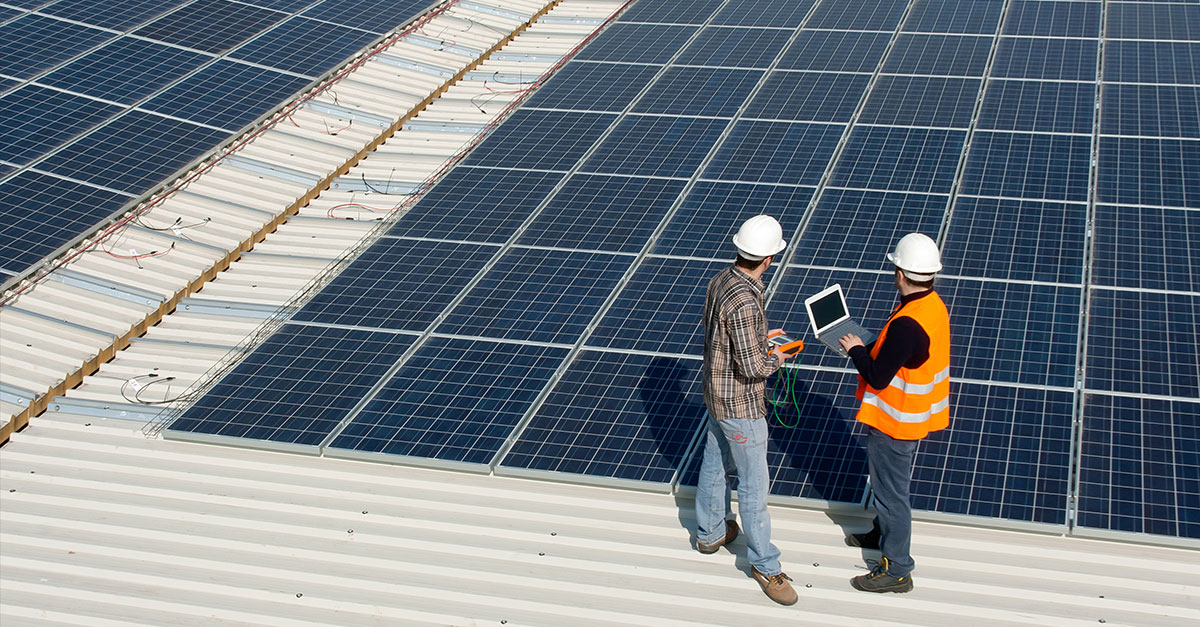
In tandem with material choices, energy efficiency is pivotal. Solar panels, geothermal heating systems, and energy-efficient lighting are practical applications of green build tips that simultaneously lower utility costs and reduce greenhouse gas emissions. Smart building management systems can optimize energy use, adjusting lighting, heating, and cooling based on occupancy patterns. Additionally, designing buildings to maximize natural light and ventilation reduces dependency on artificial systems, offering both ecological and psychological benefits to inhabitants.
Water Conservation Strategies
Water conservation is another crucial element. Rainwater harvesting systems, greywater recycling, and low-flow plumbing fixtures exemplify green build tips that are increasingly incorporated into modern projects. By reducing freshwater consumption and efficiently managing wastewater, these measures contribute to sustainable living while minimizing environmental strain. Landscaping with drought-resistant native plants further complements water conservation efforts and enhances the building’s ecological integration.
Integrating Environmental Design Ideas
Urban construction projects are also exploring environmental design ideas that foster harmony between structures and their surroundings. Green roofs, vertical gardens, and permeable pavements enhance biodiversity, reduce urban heat islands, and improve air quality. Integrating such features requires thoughtful planning but can yield long-term ecological benefits. Furthermore, flexible and modular design approaches allow buildings to adapt over time, minimizing the need for extensive demolitions or structural alterations.
Sustainable Site Operations
Material transport and site operations can significantly affect a project’s sustainability. Reducing vehicle mileage, sourcing materials locally, and implementing rigorous waste management protocols are practical strategies aligned with eco friendly practices. Efficient logistics reduce fuel consumption and emissions, while on-site segregation of recyclable and reusable materials prevents unnecessary landfill contributions. Moreover, adopting prefabricated components can minimize on-site construction time, decrease material waste, and enhance overall project efficiency.
Applying Life Cycle Assessments
Construction professionals are increasingly recognizing the value of life cycle assessments (LCA) in evaluating environmental impacts. LCA analyzes the entire lifespan of a building—from raw material extraction to demolition—and identifies areas where sustainable living hacks can be applied. These insights inform decisions on insulation, energy systems, and material selection, ensuring that buildings not only meet present needs but remain environmentally responsible for decades.
Building a Culture of Sustainability
Beyond the tangible elements, fostering a culture of sustainability among stakeholders is essential. Training workers on eco friendly practices and encouraging architects, engineers, and contractors to prioritize environmental considerations ensures that sustainability is embedded in the construction process. Collaborative approaches, including design charrettes and integrated project delivery methods, can produce buildings that are both innovative and ecologically conscious.
Technology Enhancing Green Construction
Innovative technology further amplifies the effectiveness of sustainable construction. Building Information Modeling (BIM) enables precise planning and resource optimization, reducing waste and improving efficiency. Sensors and monitoring systems track energy and water usage, offering actionable data to refine building performance. By integrating these digital tools with green build tips and environmental design ideas, construction projects can achieve measurable ecological outcomes.
Ultimately, adopting eco friendly practices in construction represents a holistic commitment to the planet, occupants, and future generations. Every design choice, material specification, and operational decision offers an opportunity to align with sustainability principles. The synergy between green build tips, sustainable living hacks, and environmental design ideas not only minimizes environmental impact but also enhances the aesthetic and functional quality of buildings. In an era of increasing ecological awareness, construction that prioritizes the environment is no longer optional; it is imperative for building resilient, responsible, and vibrant communities.
This integration of environmental consciousness into construction practices signals a hopeful future, where innovation and sustainability coexist harmoniously, proving that every project can contribute to a healthier planet.


